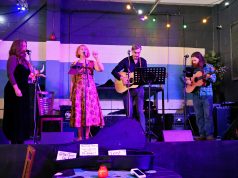
Julie Grant’s return to the live stage in 2026 reinforced her enduring connection to the North East. This link is particularly resonant in North Shields, a town that has historically supported raw, authentic songwriting. On Sunday 5th April 2026, Grant performed an intimate, co-headlining acoustic set at The Engine Room, situated in the historic Old Maltings Building.
This special performance saw Grant share the bill with singer-songwriter Nev Clay, creating a pairing of distinct North East voices. While Clay’s material is celebrated for its warm, conversational tone that brings audiences into a shared, intimate space, Grant’s performance with guitarist Peter Collard offered a direct contrast of dramatic, unplugged storytelling. The event represented a meaningful moment for the regional music community, highlighting the ongoing vitality of local, independent artists who continue to build spaces for authentic expression.
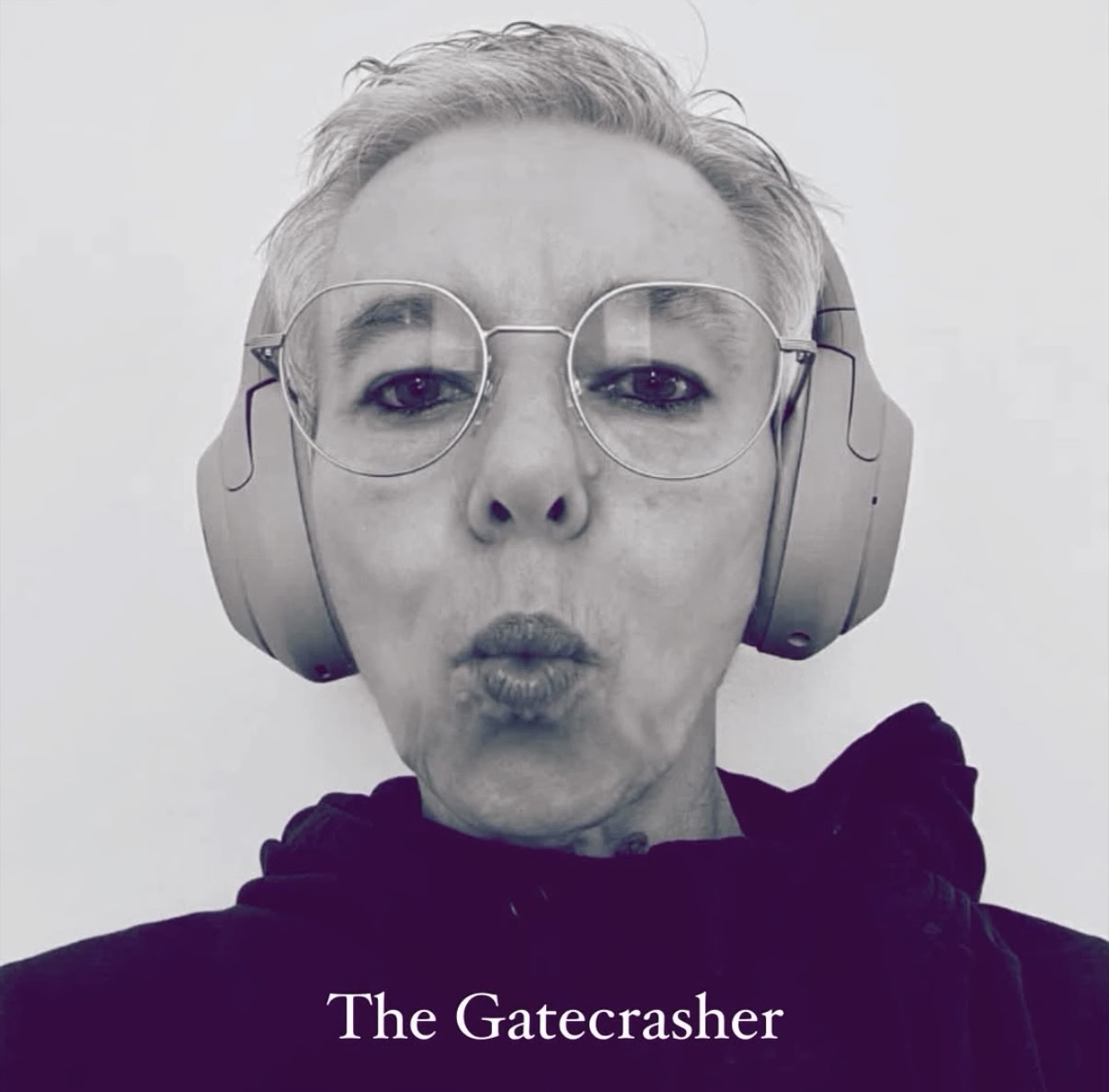
The release of Julie Grant’s acoustic-electric album, What’s Not Said, marks another significant milestone in a creative trajectory defined by defiance, artistic autonomy, and a refusal to conform to mainstream expectations. Produced under the independent banner of Bonster Sounds, this ten-track compilation presents an uncompromising, raw reflection on a life navigated at the margins of the music industry and within elite television spaces. Rather than operating as a conventional standalone musical release, the album represents a parallel biographical work to Grant’s forthcoming autobiography, The Gatecrasher, scheduled for publication in late 2026. Each track corresponds directly to one of the ten chapters in her memoir, establishing a cohesive, multimedia archive of survival and self-determination.
I sat down with her and, over a coffee at The Exchange, discussed the album and its themes. She explains that the record’s conceptual foundation is built upon the gravity of the unvoiced – those late-surfacing secrets and the lingering regret of essential conversations left incomplete, the secrets we keep and the vital dialogues left unfinished. “It’s about things that are never said to people,” she reflects. “If you don’t talk about things, they keep coming up. When you avoid speaking your truth, those issues inevitably resurface.”
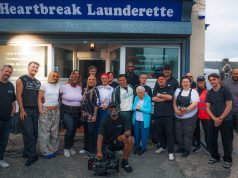
The structural and production elements of What’s Not Said emphasise organic authenticity over polished commercialism. Recorded at the studio facility TRAXX in North Shields, the album deliberately avoids modern production crutches such as autotune, relying instead on the chemistry between Grant’s distinctively direct vocals and the melodic, rhythmic guitar playing of veteran instrumentalist Peter Collard. Under the engineering and co-production direction of Keith Mills, who also contributed bass and keyboards, the tracks retain an immediate, live atmosphere. The resulting acoustic landscape serves as a stark canvas for Grant’s unflinching lyricism, which addresses complex personal themes including ageism, coercive control, and the daily realities of living with unseen disabilities, specifically Complex Post-Traumatic Stress Disorder (CPTSD).
The album’s opening track, I Am Not Her, directly addresses a pivotal event in 1995 when Island Records offered Grant a solo recording contract on the condition that she abandon her bandmates and radically alter her appearance to satisfy conventional industry standards. Rather than capitulating to pressures to “grow her hair and wear a dress,” Grant rejected the contract. The lyrics of I Am Not Her serve as an anthem of resistance against the commodification of the female form, highlighting the industry’s historic tendency to suppress genuine female identity.
Other tracks explore intimate interpersonal dynamics and psychological manipulation. Yours Or Mine addresses narcissism and coercive control, charting the isolating effects of abusive partnerships. This theme is expanded in Turned Out My Light, where the acoustic arrangements emphasise the weight of psychological bullying.
Green Eyed Man continues this exploration, mapping the architecture of mental abuse with a stark lyrical focus. These songs function as acts of public truth-telling, aligning with Grant’s core philosophy of addressing structural and personal trauma directly rather than retreating from conflict.
In contrast, tracks like Cliche Away offer regional connections, integrating cultural markers like the River Tyne and local imagery. The album’s centre point is a cover of The Cranberries classic 1994 track No Need to Argue. Grant and Collard’s reimagining of this classic track serves as a tribute to Dolores O’Riordan and the band, with whom Grant toured nationally in the early 1990s. It provides a historical bridge between Grant’s active Britpop-era output and her contemporary unplugged indie style.
The uplifting and triumphant closing anthem, Salute Me provides a definitive conclusion to the album. Centered on pride and self-acceptance, the song celebrates the journey toward embracing one’s true identity. It offers an inspiring message of resilience, reflecting on the struggles of overcoming ageism and the various obstacles encountered along the way.
Ultimately, What’s Not Said functions as more than a reflective career retrospective. The album stands as a vital piece of personal and cultural history, capturing the triumphs, compromises, and enduring independence of an authentic North Shields artist. By maintaining her creative autonomy and refusing to compromise her vision, Julie Grant has secured a lasting, meaningful legacy that continues to inspire.
What’s Not Said by Julie Grant is available via https://jgrant.info/
Julie Grant’s autobiography, The Gatecrasher, is due for release later this year.