Written by Caroline Oswald and adapted from accounts by Veronica Irving.
As the last of the disused Tyne Brand building on Brewhouse Bank is finally demolished to make way for 140 new homes, my thoughts turn to my grandparents, Tommy and Mary, who met while they were both working at the historic food canning factory. Looking back through accounts recorded by my mother, I consider how the transience of buildings makes them no less important to the people who live and work within their walls. I wonder how different the lives of the new inhabitants of the Tyne Brand site will be compared to those who went there every day to earn a living not so many years ago.
My granda, Thomas Harrison, grew up in the east end of Shields on Prospect Terrace in a small flat consisting of two rooms and a scullery with an outside lavatory and wash house. His father, also Thomas, was a general labourer on the Fish Quay but was tragically killed at the age of 30 in the First World War. Tommy’s mother, Martha, was left a widow with him, his brother and two sisters to look after. A few years later she married Fergus, a river policeman, and they moved to a two-bedroom terraced house in Whitby Street with a brass plaque on the door bearing their surname. Martha had four daughters to her second husband but sadly died at the age of 52. Her eldest daughter Annie took on the task of bringing up her younger sisters.
At the age of 16 Tommy took advantage of a scheme to send young boys out to Australia. He stayed for four years but found himself out of work during the depression and practically starving. He was taken in by a kind couple, who wrote to his stepfather without his knowledge, stating that Tom was in a poor state of health and was only allowed government rations to the value of five shillings a week. The couple were struggling themselves, with only seventeen shillings a week from government relief work. They had received their fare back to England from the husband’s parents but they were very worried about what would happen to Tom after they left as it was impossible to find work. Tommy’s stepfather Fergus sent the fare straight away so that he could return home. My mam retained the receipt from Thomas Cook & Son Ltd, dated 17th June 1932- ‘Homeward Passage, Brisbane to Newcastle, £47.12.0’. She also kept the letter Tommy had written thanking his stepfather most profusely for the fare and £5 expenses, all of which he paid back when started work as a general labourer at Tyne Brand.
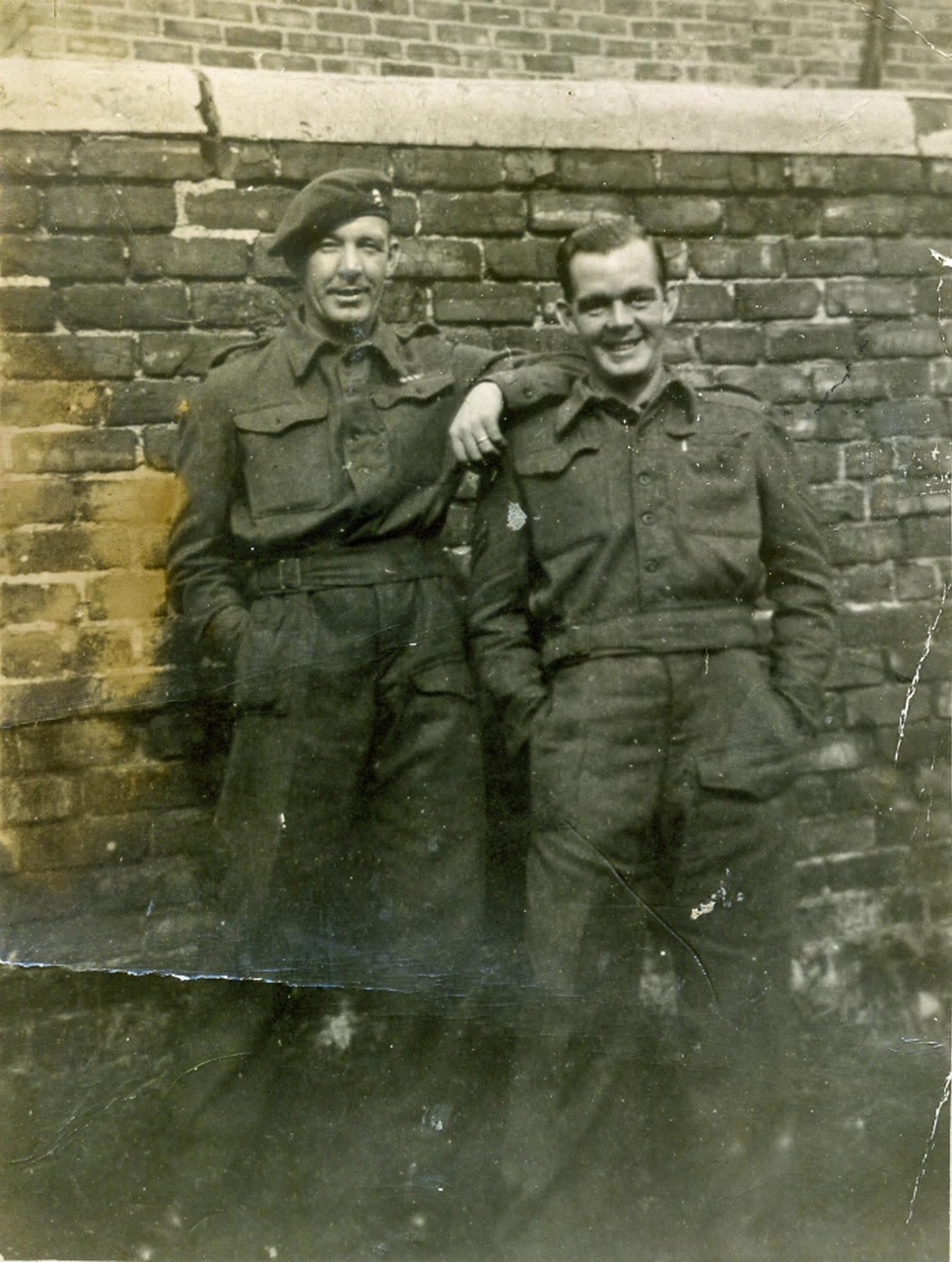
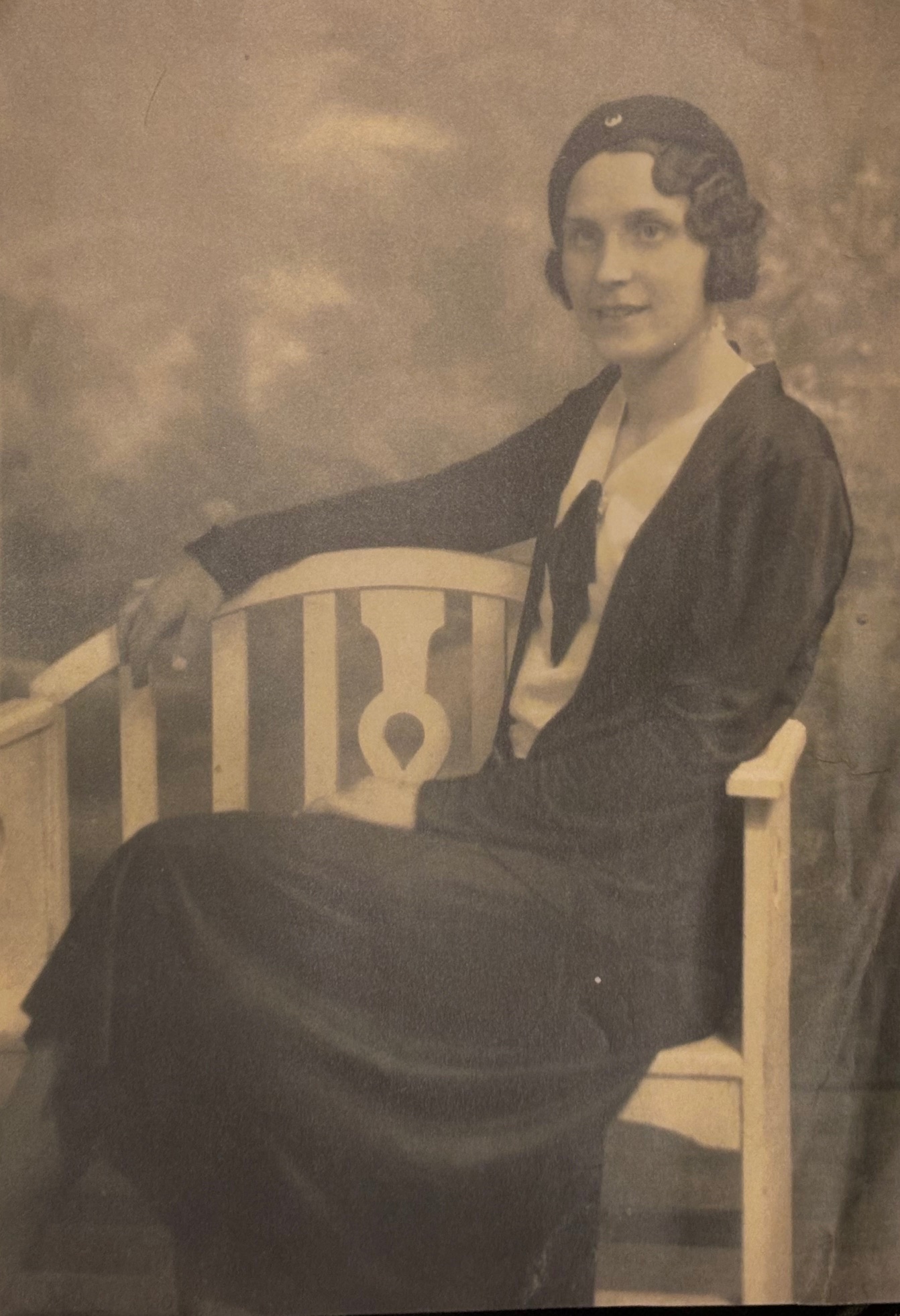
Whilst working at the factory, Tommy soon met my grandma, Mary Binks, the daughter of Jane and Richard, a cartman and general labourer. She had grown up with her six siblings in poor conditions on Front Street, Milburn Place. The houses in the west end of Shields had been originally built as mansions for the local aristocrats in 1750 and commanded a beautiful outlook on the river. The gentry came by sculler boats from their offices and places of business to steps reaching down to the shore, while the street itself was a promenade and fashionable visiting place for ladies and gentlemen. By the time Mary’s parents rented rooms, the glory of Milburn Place had departed and the mansions had become a congested slum.
However, despite the poverty, Mary recalled a strong community spirit. Carnivals were held regularly and the people of the area, calling themselves the ‘Milburn Toffs’, formed a jazz band and dressed up in posh top hats and tails. They made flags and bunting from whatever scraps of material they could find to deck the houses and streets. Mary recalled how neighbours gathered in their back yards whilst one of her brothers sang to them to the tune of his melodium. Children entertained themselves by walking along to the end of the street to Ballast Hill, a prominent landmark composed of an accumulation of sand from every shore in Europe. The ballast was taken out of the ships by cranes, put into wagons and drawn by steam train to the top of the hill, where the ‘one o’clock gun’ was fired every day from August 1863 to August 1905 to enable captains on the river to set their chronometers. Ballast hill was eventually razed to the ground. Milburn Place was purchased by Smith’s Dock Company Limited and the houses demolished.
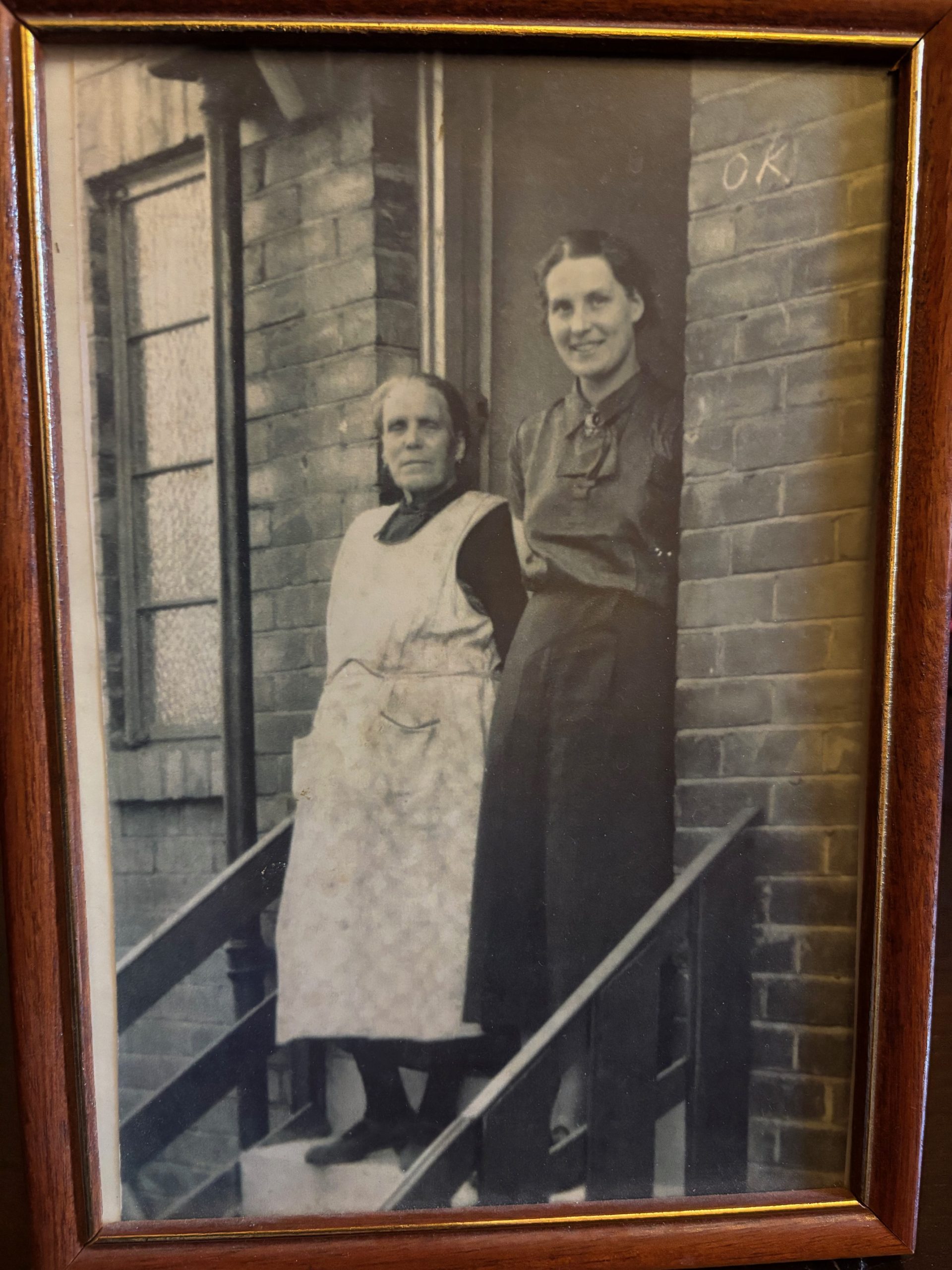
At the age of 17, my grandma moved with her parents to the newly built Meadow Well estate, known then as ‘The Ridges’. The council had allocated them an upstairs flat with a bath under the kitchen bench and a flush lavatory on an outside balcony. A coal fire heated the water. Compared to Milburn Place, where several families shared one cold water tap, Mary and her family felt they were living in luxury. The flats had their own gardens and there were trees in the streets, which had names like Rosetree Crescent, Peartree Grove and Willow Grove. The same estate would later go on to make the national news after a series of riots in September 1991.
Mary and Tommy married and settled just up Brewhouse Bank in a small rented flat at 3 Prospect Terrace. Their two daughters soon followed: my mam, Veronica, and her sister, Vivien. There were two rooms, one for living and one for sleeping. The two girls shared the bedroom with their parents, using coats for bedclothes and hearing the sound of mice scampering about during the night. The living room was sparsely furnished with no carpets, just lino and ‘hooky mats.’ The focal point was a black, cast iron fireplace with hot cupboards on each side. There was no electricity and the room was lit by one gas mantle. On the landing was a gas cooker and one work bench with a sink and a cold tap. Outside was the flush lavatory in the back yard and a wash house with a boiler, poss tub and mangle. A tin bath hung up in the yard, which Mary would fill by heating up several kettles of water on the coal fire. She also used the fire to heat up a flat iron. Mary baked bread every day and put it to rise beside the fire. The flat was freezing first thing but warm by tea time after the fire had been on all day.
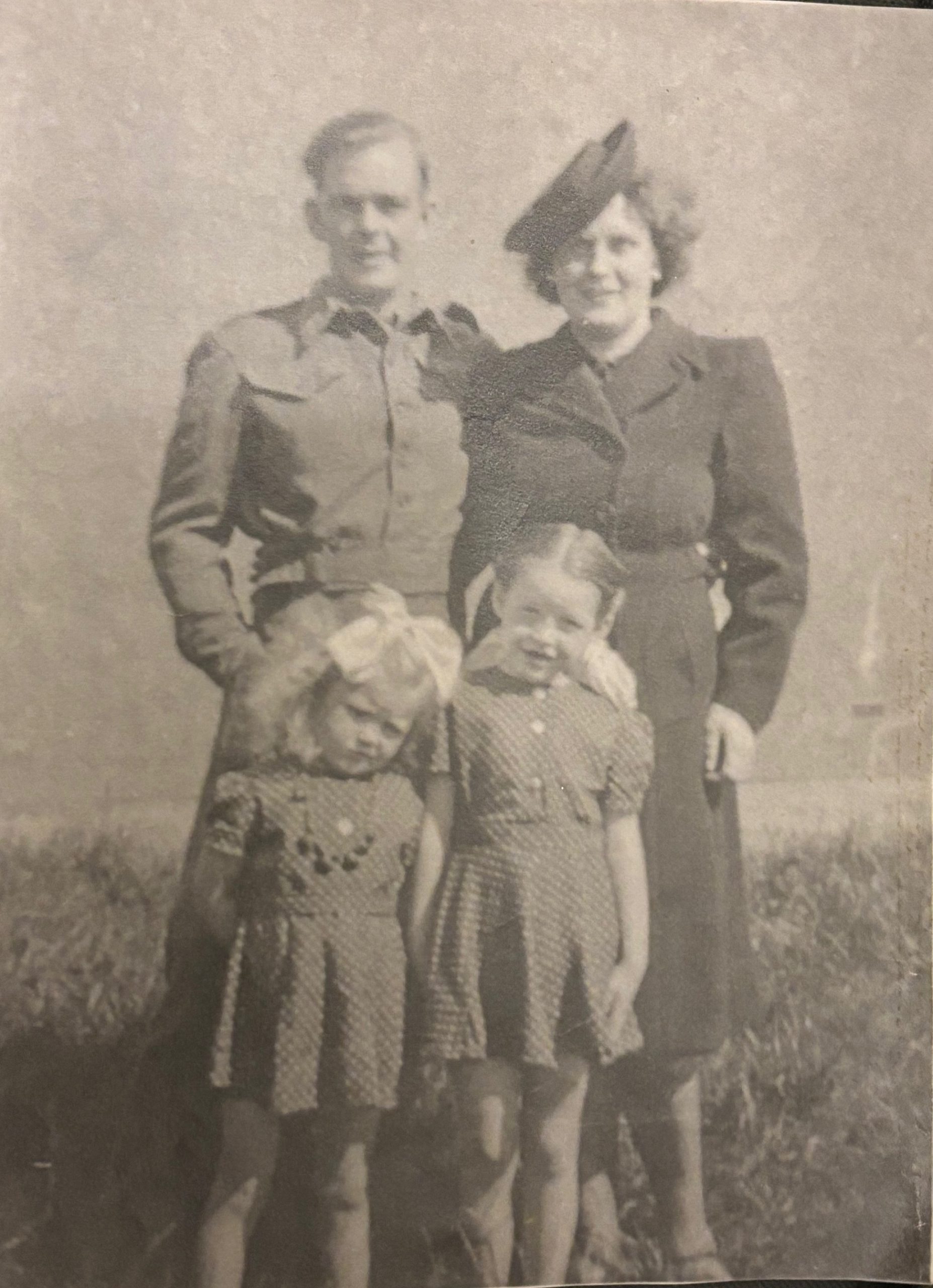
Washing day was always on a Monday. The sticks beneath the boiler would be lit first thing in the morning. There were no packets of soap powder, just a hard block of soap and a ‘Dolly Blue’ cube to put in with the whites. Mary would pound the washing with a poss stick then rinse out the clothes, first winding them through the mangle to get out the excess soap. On fine days, everyone’s washing was hung across the back lane, looking like a ship in full sail. At tea time washing was brought into the living room to hang on lines or a clothes horse. Monday was such a busy day that the meal was always a fry-up from Sunday’s potatoes and vegetables with a little cold meat, if there was any. Of course there were countless other daily chores, including scrubbing the front step and brightening it with a rubbing stone, bought for a copper from one of the old women selling them around the doors.
Tommy worked at Tyne Brand every day from 8am until 8pm and on Saturday and Sunday mornings. After having previously enrolled in the Army, he came home for lunch one day and it came on the radio that his unit had to report for the war. Up went the blackout curtains and the noise of air raid sirens became a familiar sound. Mary once put the gas mantle on during a blackout and was summoned to court, where she fainted as soon as her name was called! The young girls heartily disliked their gas masks and hated trying them on. Despite the dangerous times they did not feel afraid as they were always with their mother. My mam remembered being summoned to the air raid shelter beneath the Wilkinson lemonade factory one fateful evening. For some reason they had chosen not to go, but unfortunately their uncle was not so lucky and was one of the 173 people killed by the bomb that fell on it that night. Council housing was later built over the site and it was said that the inhabitants were haunted by the souls who perished in the disaster.
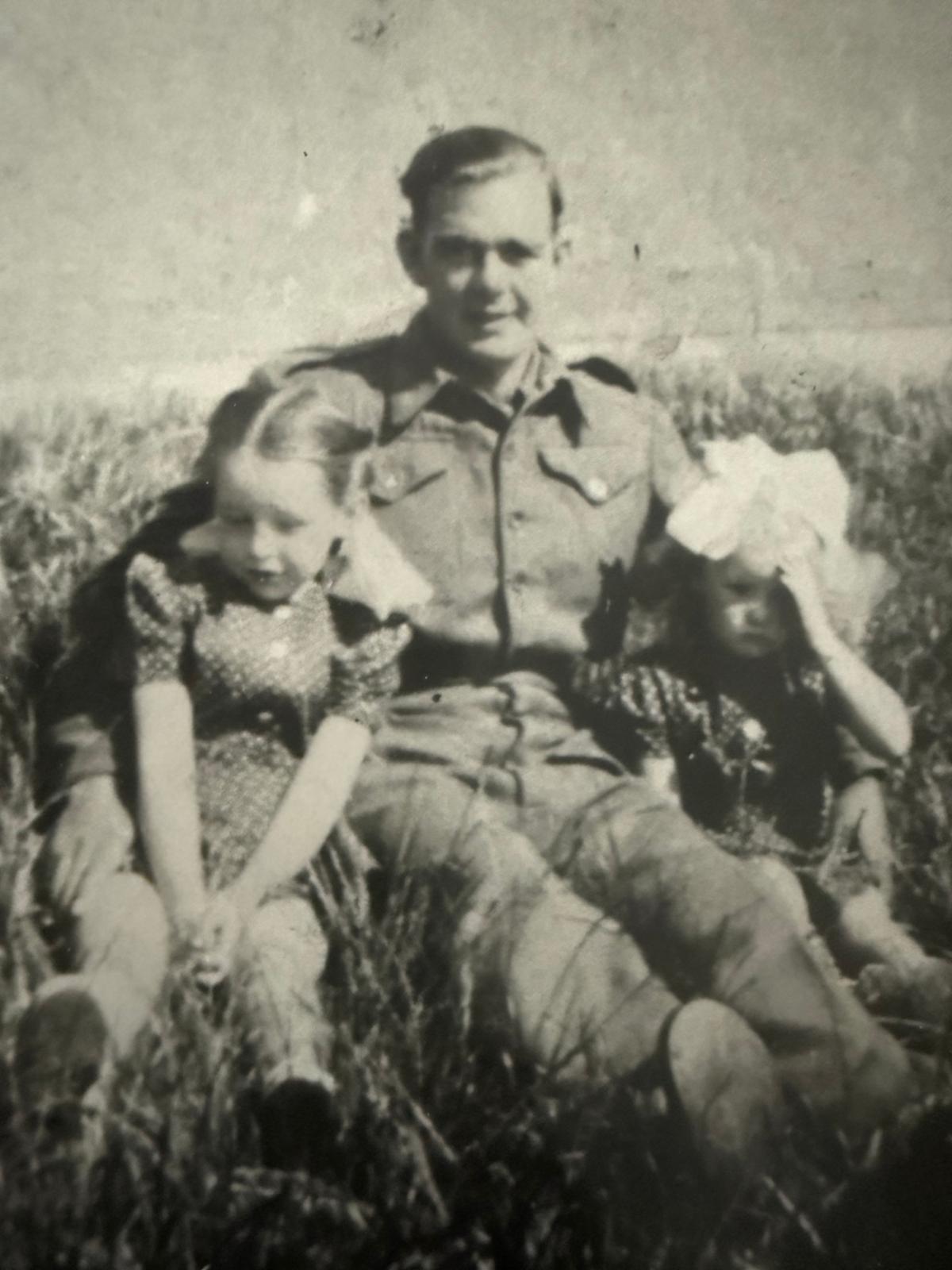
Tommy’s daughters got used to him not being there during the war, feeling ill at ease whenever he came home on leave and this experience affected their relationship for years to come. After serving abroad for five years, including at Dunkirk, Tommy returned safely and took up his job again at Tyne Brand, working 12-hour shifts and earning a pittance. Holidays were few and far between, with only two days off during the festive season- Christmas Day and New Year’s Day. One time he could not work for a few weeks due to illness. As there was no welfare then, he asked for help from The Guardians, a charity for the poor, but they refused. They told him to find something to sell. Even though the war was over there was still rationing, and my mam recollected how her dad and uncle Herbert resorted to killing the pet rabbit for food. The girls didn’t question their father’s decision but they could not bring themselves to eat it when it was served up. Despite such hardships, Veronica and Vivien experienced a happy childhood, playing on the Fish Quay sands, the small patch of grass on Prospect Terrace or the area of rough scrubland below known as ‘The Dene’. Other members of their family also lived on the same terrace so they always had plenty of cousins to play with. Today the houses are all gone and the area is now called Prospect Terrace Industrial Estate.
The girls were not allowed to venture along the quay to Bell Street and Clive Street, known collectively as ‘The Low Street’. A cosmopolitan area inhabited by all nationalities, it was thronged from morning till night with crowds of sailors and maritime folk frequenting the delicatessens, pubs and ‘houses of ill repute’. As they got older they enjoyed entertainment further up the town including the Albion cinema and shops such as Walkers House of Quality, Maynards Sweets and Woolworths. There were also second-hand shops including Stagg (known as ‘Staggy’) and Hetty’s Wardrobe. The Home & Colonial provided groceries, as did the many neighbourhood corner shops. The family could not afford holidays and my mother remembers a freezing trip to Hollywell Dene with her Sunday School, travelling on the back of a lorry filled with straw.
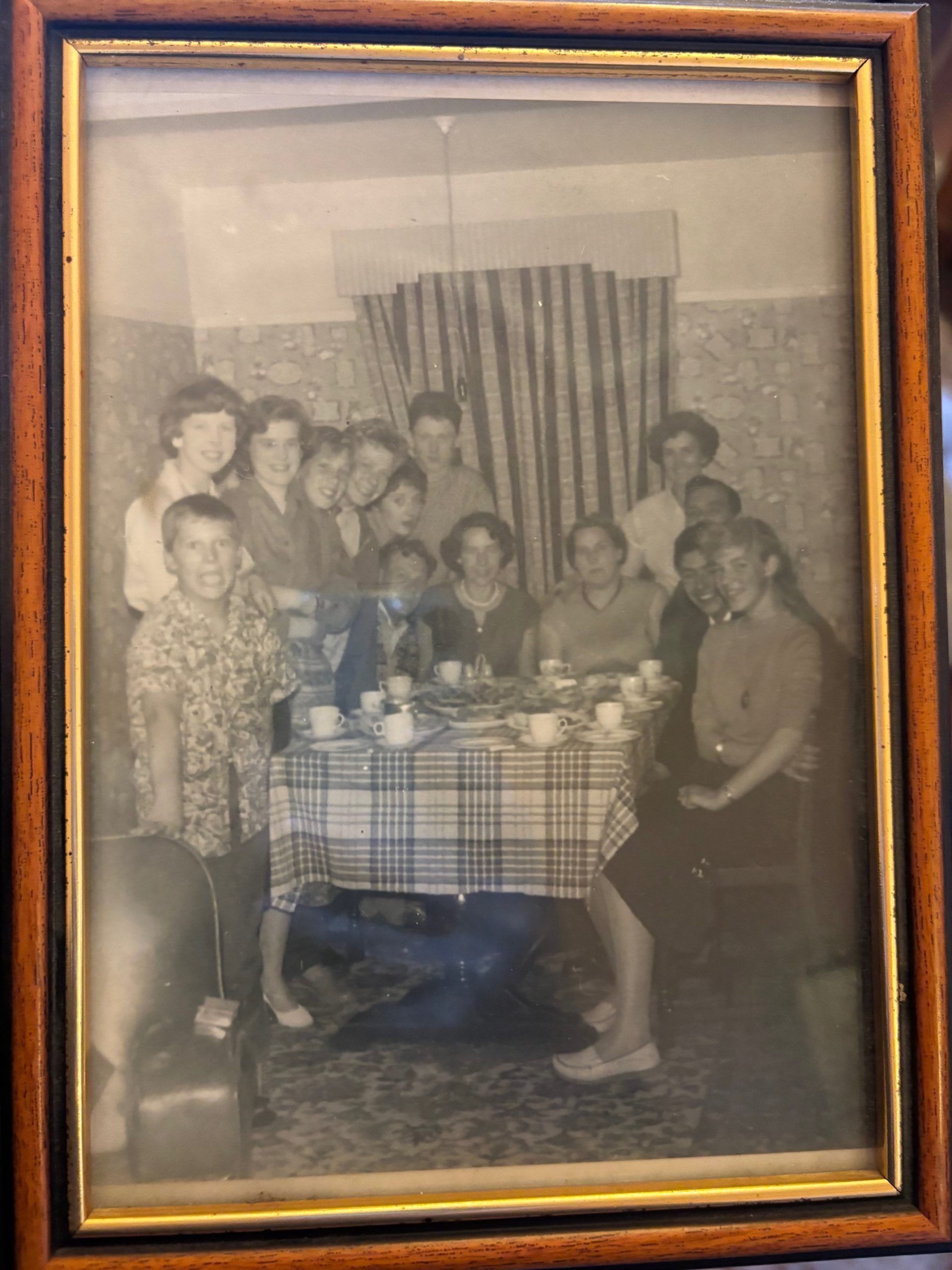
In his late 50s, Tommy’s pay improved when Tyne Brand was taken over by Spillers Foods and he was promoted to Chief Foreman. One of his payslips from August 1968 showed that he worked 82 hours for £44. Tommy was well known as being a great laugh and his fellow workers thought he would be a soft touch when he became foreman. They were mistaken. He was very fair but very firm, and this shocked some people. Former colleagues at Tyne Brand, Billy and Brian, remember Tommy sacking a woman for being on the whisky before work. The women who worked at the factory had a reputation for being colourful characters. My grandma told me how they pierced each other’s ears in the toilets with a darning needle and ice. Once a woman was seen working machinery whilst taking sips from a bottle of vodka that was in her pocket. Tommy asked Billy to take her home before a serious accident could occur. Billy said there were many other scandalous stories too shocking to tell! We can only imagine what they were. I have heard that my granda was quite admired by the ladies of Tyne Brand, which of course annoyed my grandma somewhat. Billy was the driver for the company and used to drop Tommy off at home after work, if he wasn’t going to his local haunt, the Lowlights Tavern, for a pint or to play dominoes. Sometimes my grandma was envious of the pub’s landlady, Mrs Chicken, who seemed to see more of her husband than she did!
By the time he was foreman Tommy and his family had moved to a council estate newly built on farmland purchased from the Duke of Northumberland. The house in Links Road, Tynemouth, had an indoor bath and toilet and water heated by the coal fire. Outside there was a coal house, wash house and another toilet as well as a large back garden and a beautiful view of the sea. The family certainly enjoyed a better quality of life, walking their dogs on the lovely beaches and attending productions by the local theatre group at the Plaza. The theatre group disappeared with the onset of television and the Plaza building eventually burned down in 1996.
Tommy still caught the bus every day to work at Tyne Brand. One day after work on the way up Tanner’s Bank to get the bus home he found an abandoned puppy huddled against a wall. Rocky became a beloved family pet but he persistently escaped the garden to take himself for walks to the beach and even to North Shields. One day he made his way to Tyne Brand, all the way up to the correct floor to find his owner! Years later when my auntie had married and moved out, Rocky also found his way to her flat in Camden Street, despite never having been taken there before. Both my mam and her sister missed Shields too much so they both ended up settling back there for the rest of their lives.
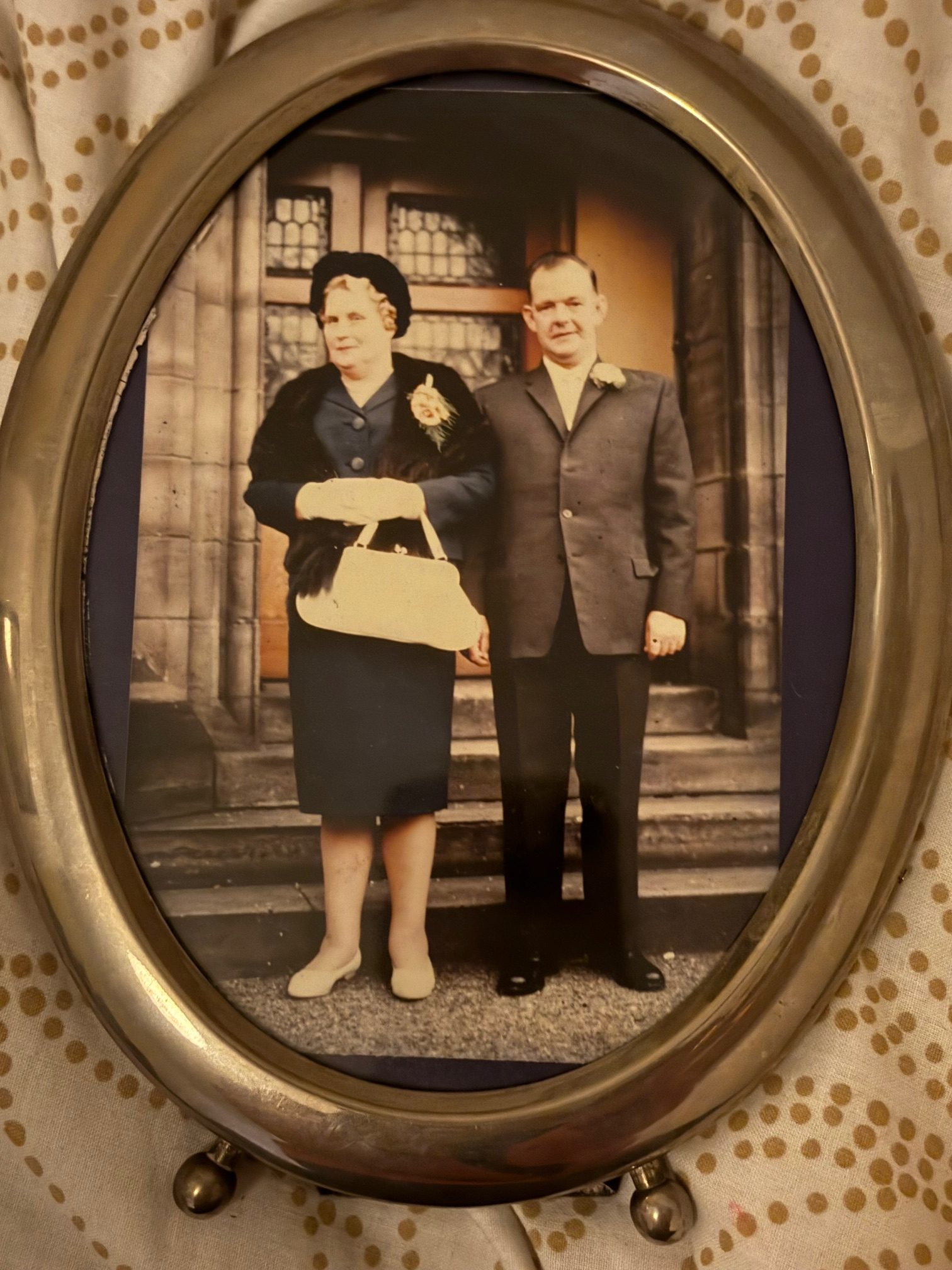
In Tynemouth Mary found a new lease of life working as a buffet and lounge maid at the nearby Park Hotel. She was in her element serving drinks to the affluent people of the area, gaining an insight into a different world. Meanwhile, my mother had become good friends with Barbara, the daughter of Harold Thompson, who owned the Tyne Brand factory and who had a house with a swimming pool – far removed from my mothers’ home surroundings. When she was invited to the Thompsons’ silver wedding at the Park Hotel, my grandma had to take the night off so as not to cause her daughter any embarrassment!
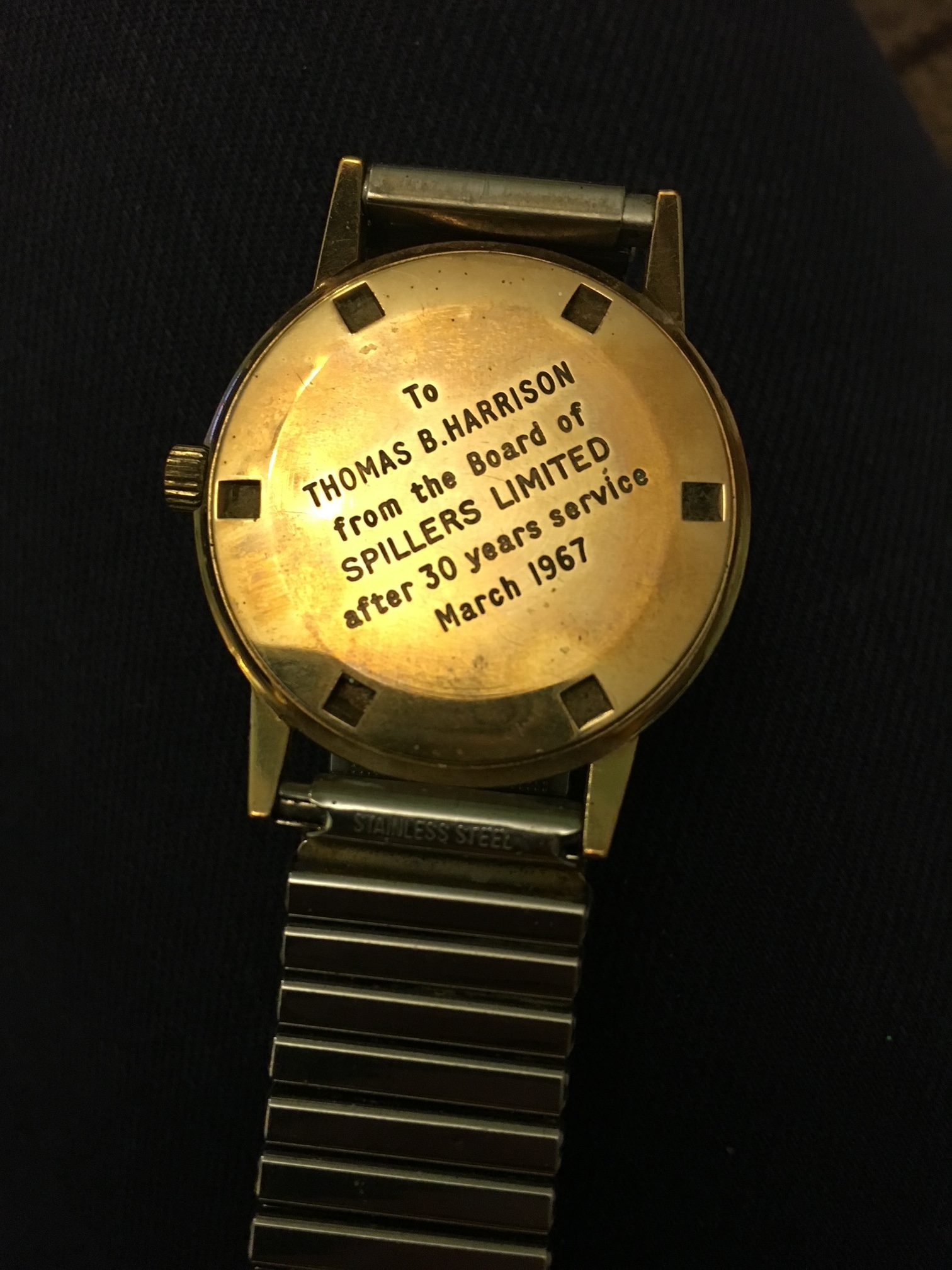
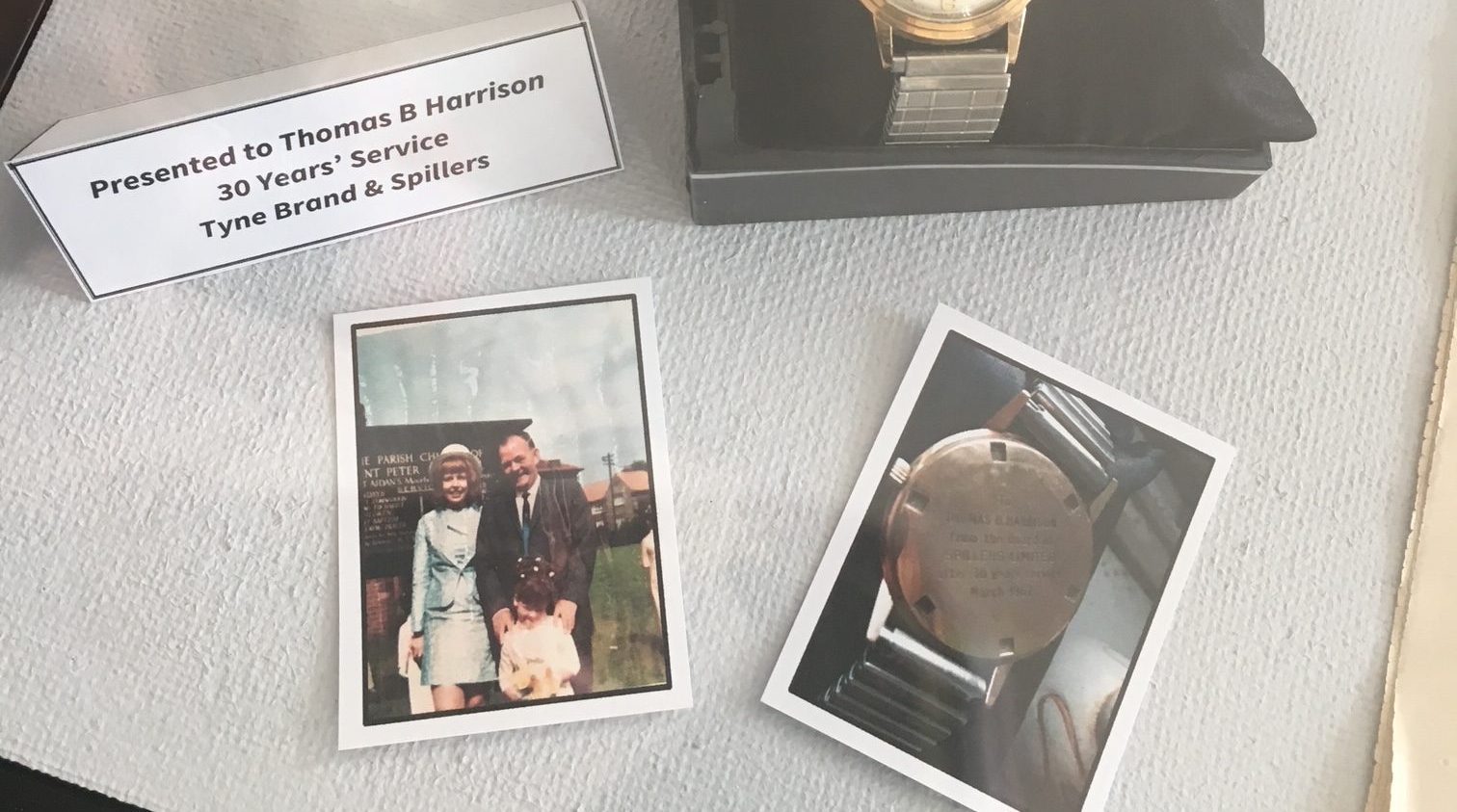
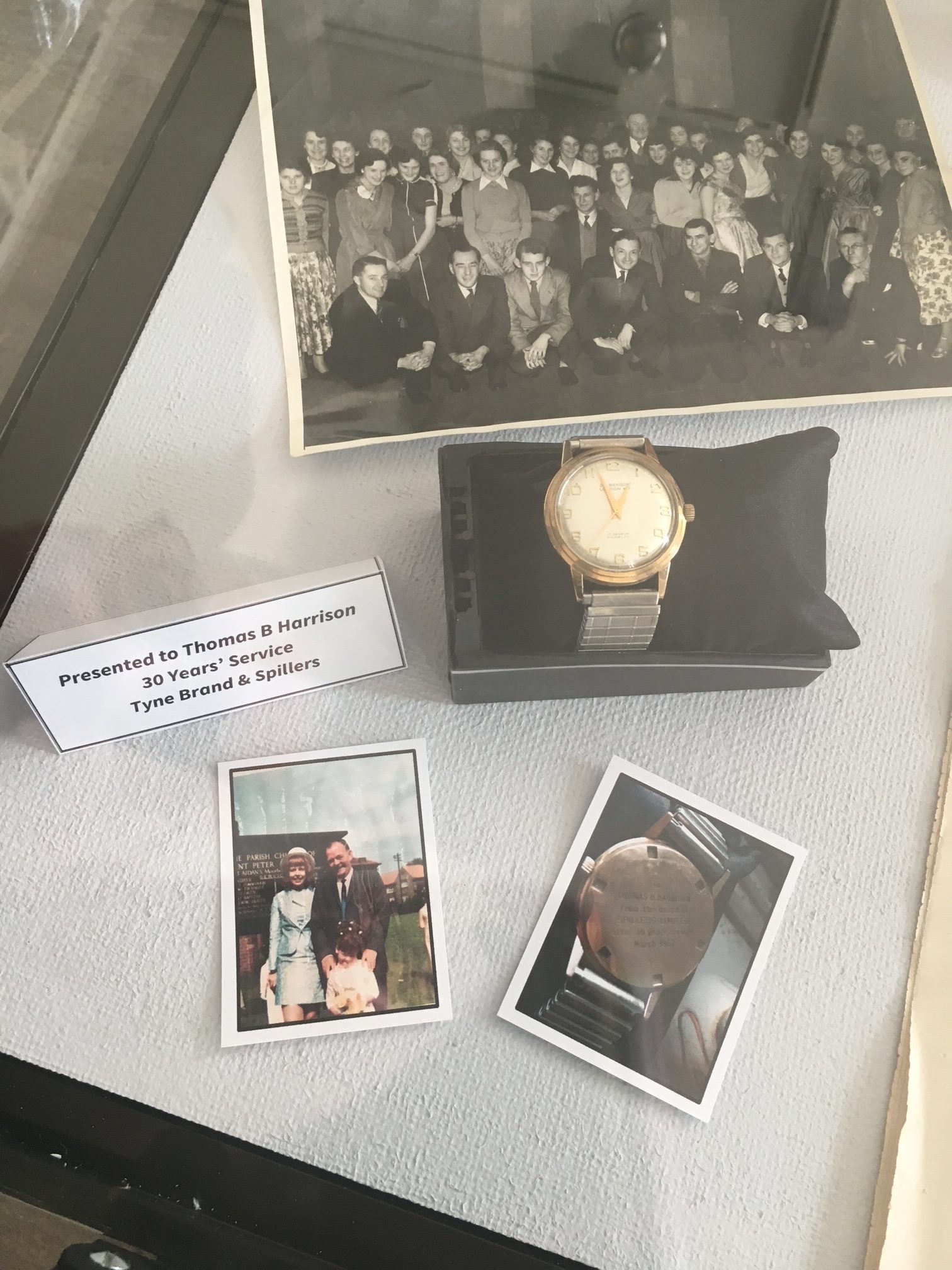
My granda continued to work at the Tyne Brand factory and stayed there until his retirement at the age of 64 in March 1967. I still have the gold watch he received with an inscription engraved on the back marking his 30 years of service. He also received a small pension which passed on to my grandma after his death. As well as Billy and Brian, other former Tyne Brand workers mentioned over the years were: Morris Merrick (a senior colleague), Bob Stiferson, Alec McAllum (Tommy’s lifelong friend and colleague), Muriel Thorpe and her daughter Meg (who lived on Stephenson Street), and Reuben Mortimer (manager). There are surely many others with Tyne Brand tales to tell, perhaps passed down through the generations like mine. Despite lying derelict for many years, the old factory remained an integral part of the landscape and heritage of North Shields. Tyne Brand has joined so many other buildings now consigned to history, and as the site enters a new chapter, the walls may be gone but the memories will live on.