A bright spot on a much-talked-about building
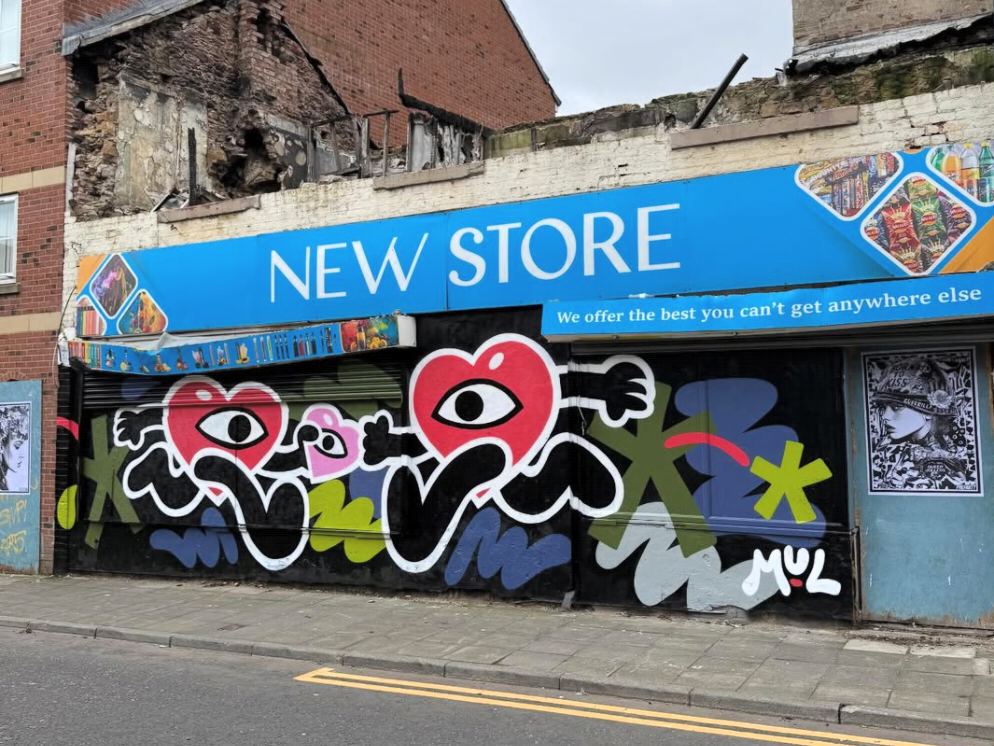
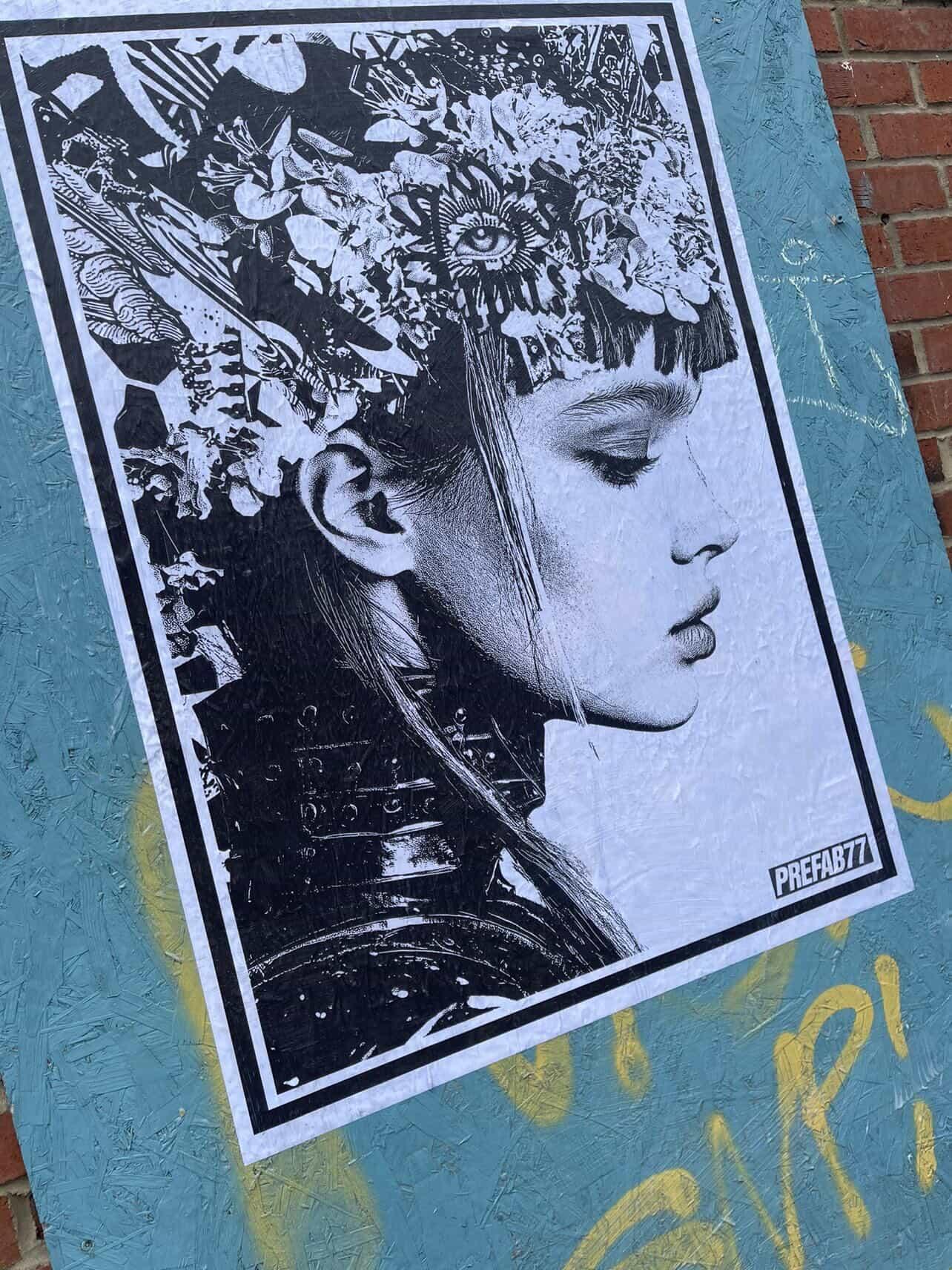
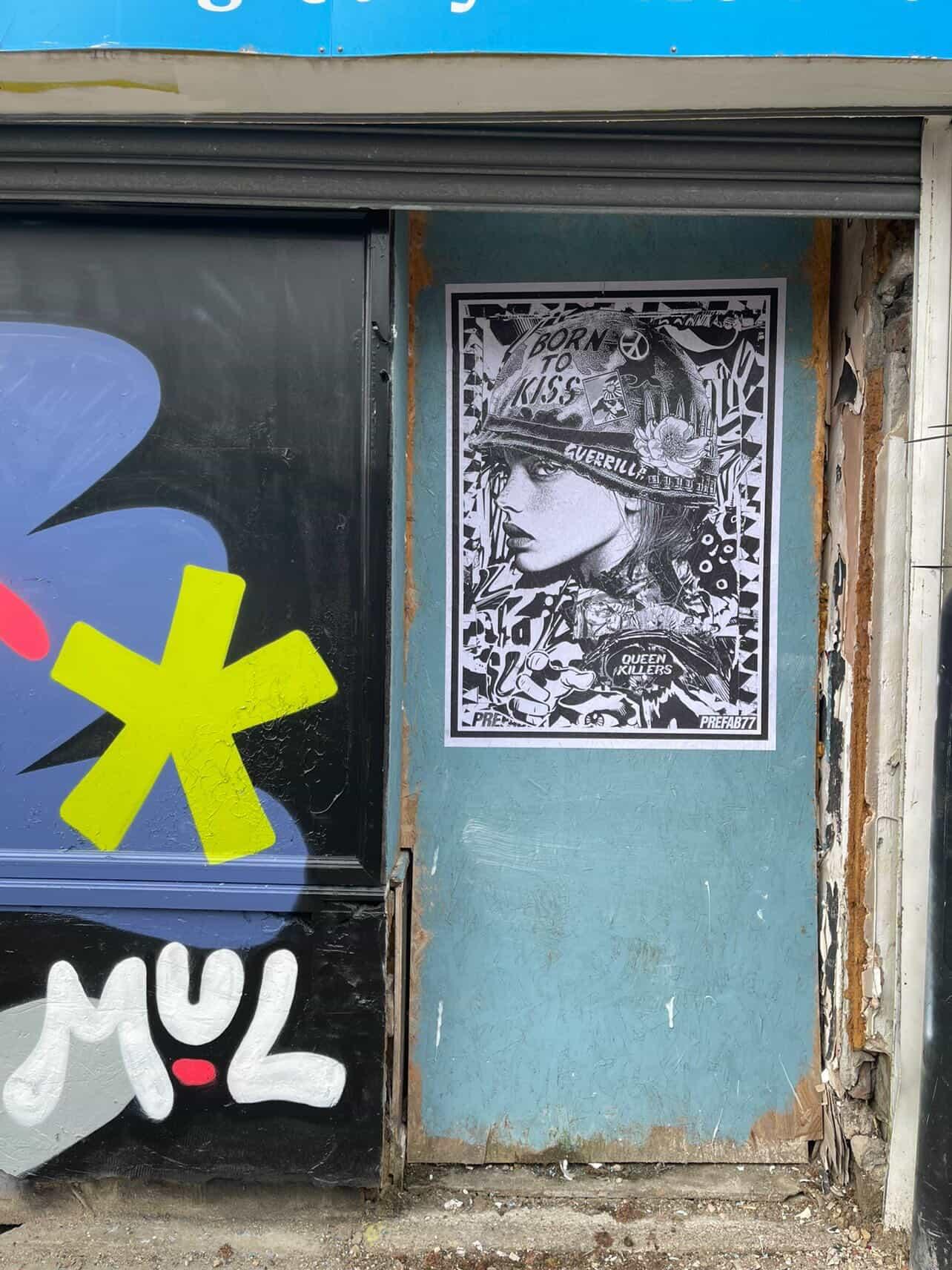
A fresh mural appeared on Nile Street—and it did exactly what good street art can do in a tired moment: it made people look up, smile, and feel something positive about the street again. The new work was spotted in progress and shared publicly as a “thank you” to Mul and Prefab77 for “lifting the mood” by adding color and care to one of North Shields’s most talked-about buildings.
Importantly, it’s more than “just” a nice visual. The mural has been explicitly framed as a token of support for the street—something that gives the area a boost while also nudging a bigger, necessary conversation about what happens next for the damaged, empty buildings that have dominated this part of town since late 2024.
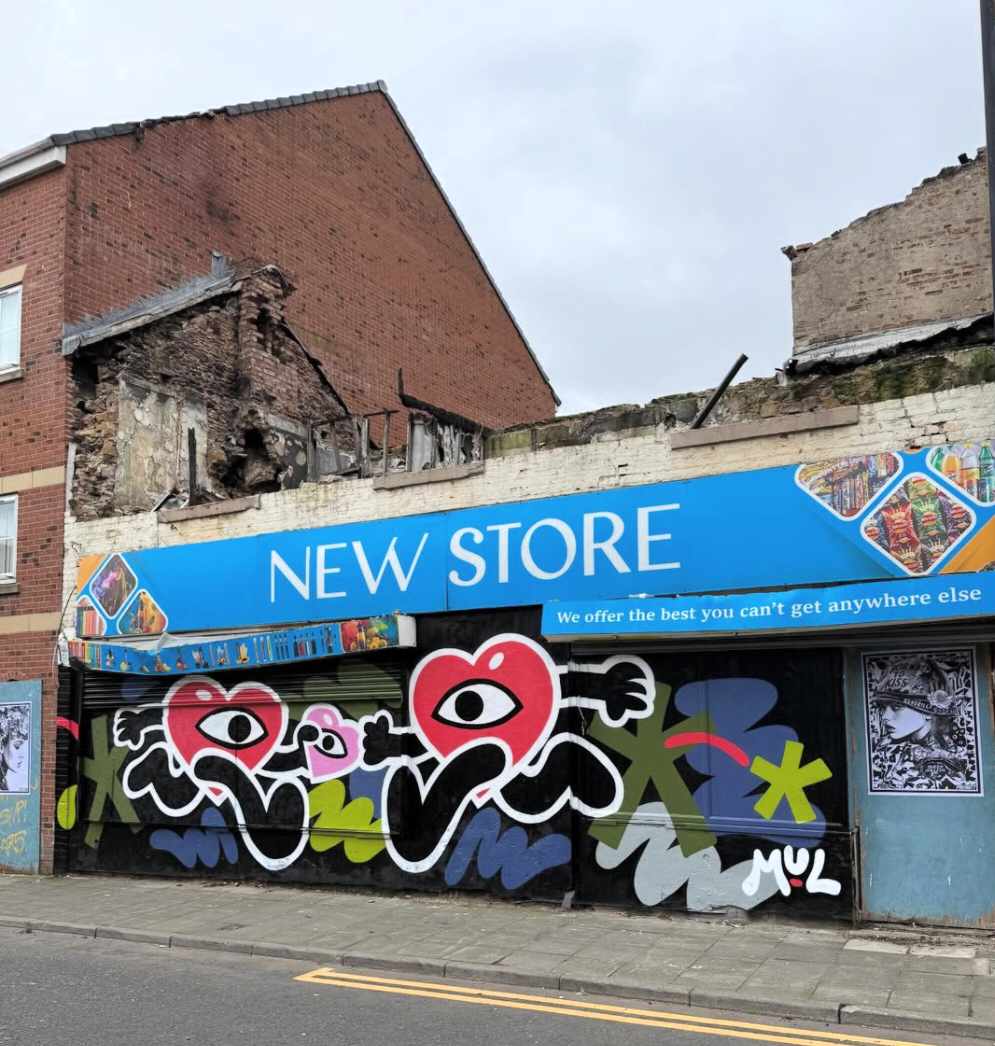
Remembering the Nile Street fire
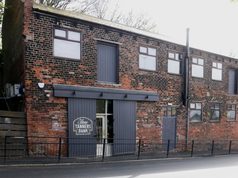
Many people locally still remember the devastating fire on Nile Street on 25 November 2024, which left two properties severely damaged and “gutted.”
In March 2026, North Tyneside Council confirmed the properties remain “burnt-out” and that “little has changed” since shortly after the blaze—more than a year on.
That visible lack of change is part of why the buildings have become such a focal point locally: they sit in plain sight, in the middle of a busy town-centre street, shaping how the street feels day to day.
Where things stand now
The council’s update, is clear on the basic reality: because the buildings are privately owned, responsibility for putting them right sits with the owners.
The same update also notes that the council has taken “all the steps it can legally so far” and has conducted a site visit—while continuing to “monitor” the site.
More broadly (and without getting lost in legal jargon), English local authorities do have powers to act where structures are dangerous, and “fire damage to properties” is specifically included in the kinds of situations that can fall under dangerous-structure concerns. In parallel, central-government guidance on planning enforcement explains that local planning authorities may serve notices where the condition of land or buildings adversely affects local amenity, setting out steps and timescales for remedying the problem (with additional powers available in some circumstances).
The key point for residents and businesses is the one the council has already put plainly: public agencies can monitor, assess, and use the tools available to them, but they are not automatically the ones who can simply “get on and rebuild” privately owned buildings.
Why small cultural acts matter on the high street
Local businesses on streets like Nile Street work constantly to bring people in, encourage browsing, and keep the town-center economy moving. When prominent buildings sit empty and visibly damaged for long periods, they can drag down confidence and footfall—not because people don’t care, but because the environment sends a message that a place is “unloved” or unsafe. Research on high streets and place quality describes how “unattractive and degraded streets and shop fronts” can lead to people withdrawing from local high streets, reinforcing a negative cycle.
This is why the mural matters even while it doesn’t “solve” the underlying property issue. It changes what people experience at street level: instead of a blank, scarred frontage, there’s evidence of pride, effort, and community presence. That aligns with wider thinking in placemaking and high-street revitalisation, where visible cultural activity and creative interventions can help restore civic pride and encourage people to spend time locally (even as they sit alongside—rather than replace—longer-term structural solutions).
And there’s something else: public art is accessible. It’s not behind a ticket barrier. It’s for everyone passing through—shoppers, workers, residents, visitors, and kids on the way home. Commentary from the urban-art sector emphasizes that street art’s “power lies in its accessibility,” inviting participation and dialogue precisely because it lives in public space rather than a gallery.
North Shields has a growing mural story
This new Nile Street piece also lands in a town that has been actively building a wider mural identity. The North Shields 800 murals initiative describes eight large-scale murals “changing the face of North Shields,” celebrating the town’s character and history as part of the 800-year milestone. The festival is led by Elevation, a local charity founded by residents and powered by volunteers, with an explicit mission to “breathe new life into blank walls” and build “a renewed sense of pride and place.”
In that context, it’s fitting that two artists so strongly associated with large-scale public work have turned their attention to a street that’s been carrying a visible wound for over a year. The North Shields Murals Project artist bios describe Mul as a Newcastle-based artist known for large-scale outdoor murals and a signature Running Heart character, and describe Prefab77 as a North Shields–raised artist working in mixed media whose recent monochrome murals have drawn significant attention.
None of this means a mural is a magic wand. But it does mean something when artists choose to put care somewhere that currently feels “stuck.” It’s a visible reminder that the street hasn’t been written off—and that many people still want a future for these buildings, and for the businesses trading around them.
Credits
Thank you again to Mul and Prefab77 for the mural on Nile Street, and for the lift it’s given the street today.
Instagram: @mul_draws and @prefab77_